
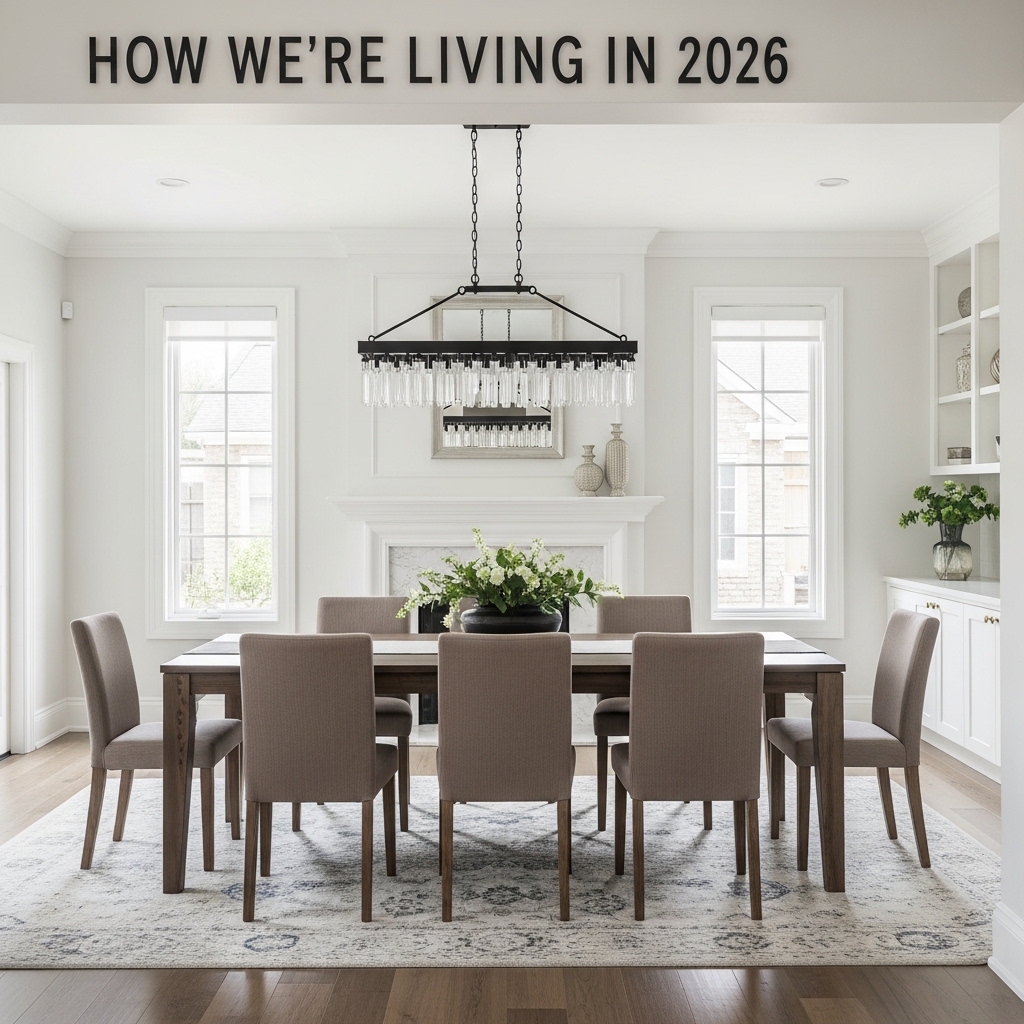
Remember when a “dream home” meant a formal dining room, pristine white walls, and a perfectly manicured lawn? In 2026, that vision has officially been retired. After years of global uncertainty, economic shifts, and a digital revolution that changed how we work and play, our homes are transforming into something more personal, more resilient, and frankly, more interesting.
Today, the question isn’t “How can I make my home look impressive?” but rather, “How can I make my home work better for me—right now?” From the death of the formal layout to the rise of wellness spaces and circus-inspired decor, here are the biggest trends shaping our interiors this year.
The End of “Perfect” and the Rise of “Real”
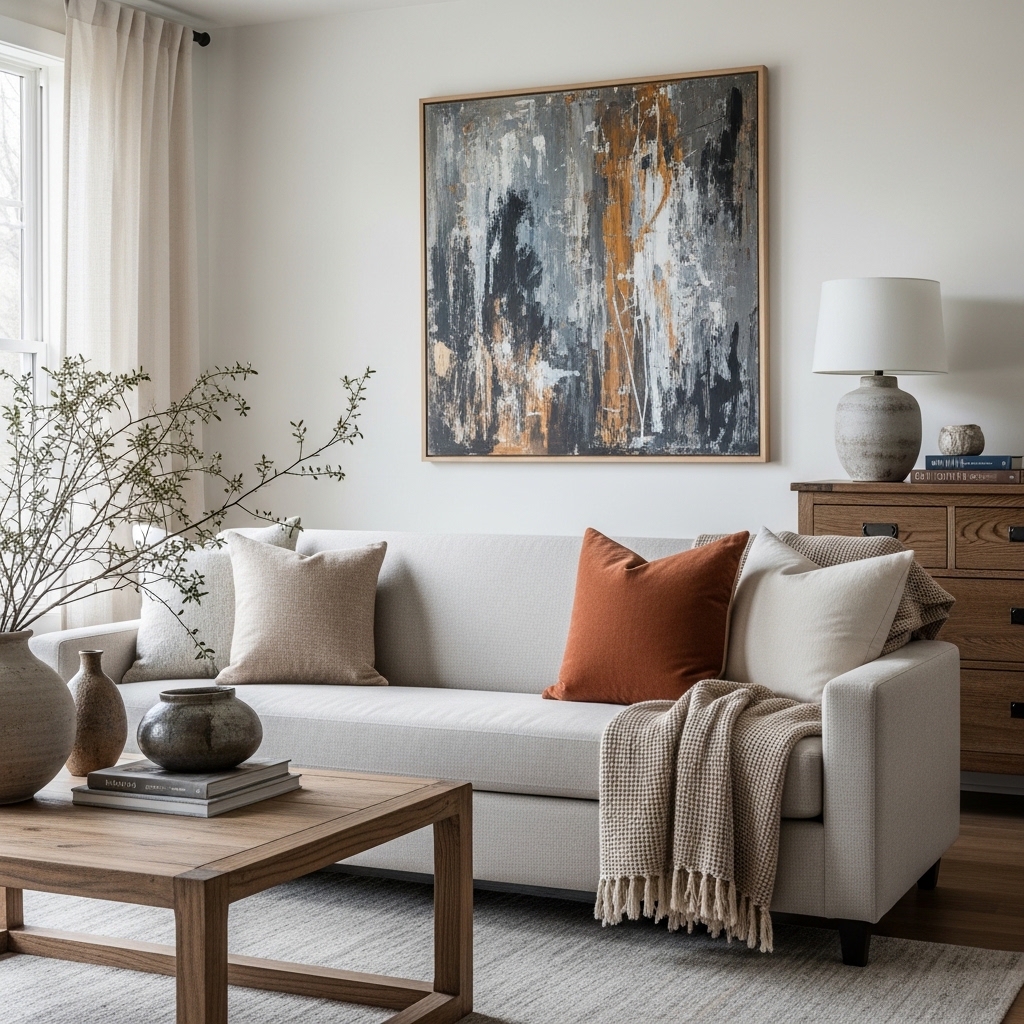
For decades, interior design was about achieving a polished, magazine-ready look. In 2026, perfection is out. The new luxury is authenticity .
Designers are seeing a massive cultural shift away from sterile minimalism. Instead, we are embracing Wabi-sabi—the Japanese art of finding beauty in imperfection. This means celebrating natural wear and tear, incorporating handmade ceramics with unique glazes, and choosing wood with knots and character over flawlessly smooth finishes .
This trend, often called “Lived-in Luxury,” focuses on homes that feel collected over time rather than assembled all at once from a catalog . It’s about layering vintage finds next to new heirlooms, prioritizing tactile fabrics like slubbed linen and bouclé, and creating spaces that feel warm, grounded, and emotionally resonant.
Goodbye, Formal; Hello, Flexible
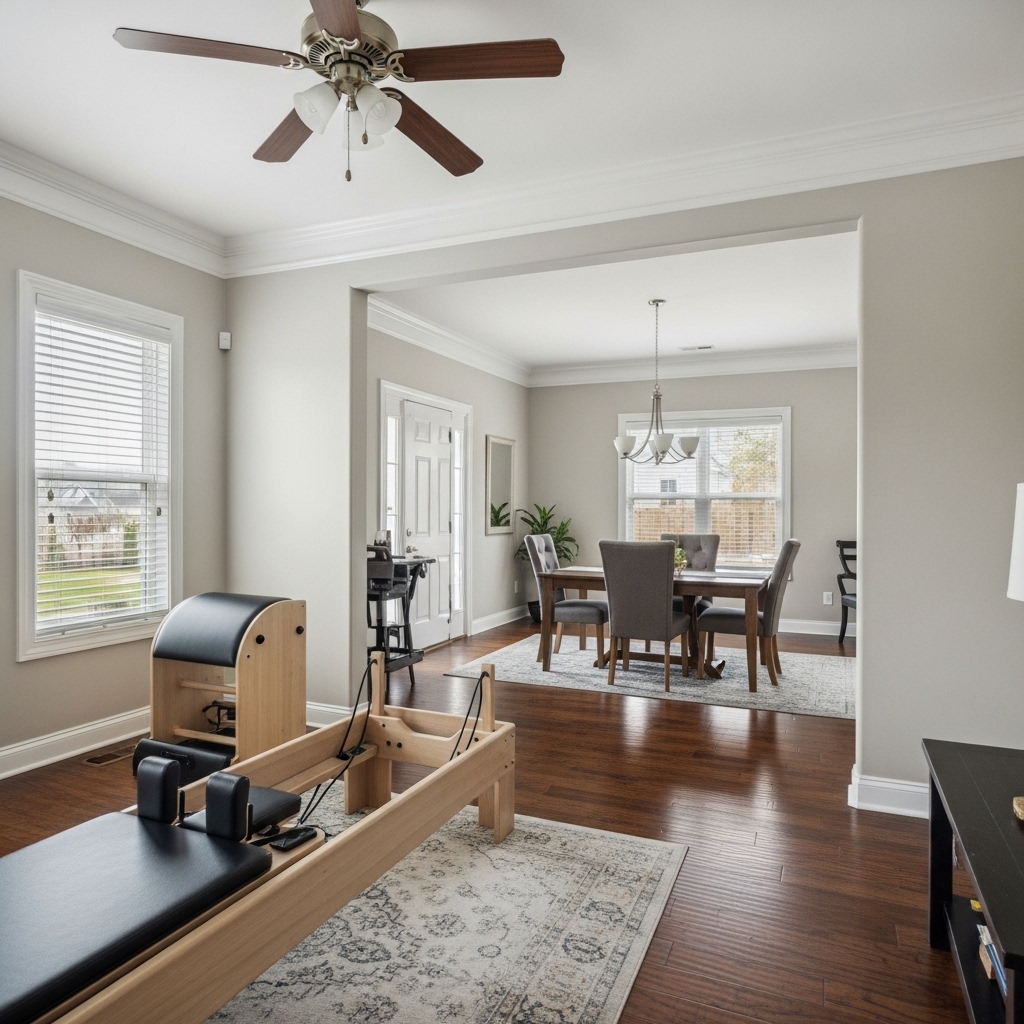
The classic American timeline—graduate, marry, buy a house with a formal dining room, have kids—is no longer the default . Younger generations, particularly Millennials and Gen Z, are prioritizing experiences over formalities. They don’t want a “perfect” kitchen they never use; they want a kitchen that works as a social hub, a home office, and a creative space.
This shift is structural. Architects and designers report that flexibility is now the number one priority for homeowners. Nearly 86% of buyers say that flexible layouts help them see past a home’s square footage . Walls are coming down to improve circulation, and spaces are being designed to adapt.
That spare room? It’s no longer a “guest room” that sits empty 50 weeks a year. Instead, it’s becoming a meditation room, a home gym with a Pilates reformer, or a dedicated office . The formal dining room is nearly extinct—replaced by the kitchen island, which now serves as the true heart of the home for informal gatherings, homework sessions, and even content creation .
The New Color Palette: Earthy, Expressive, and Calming
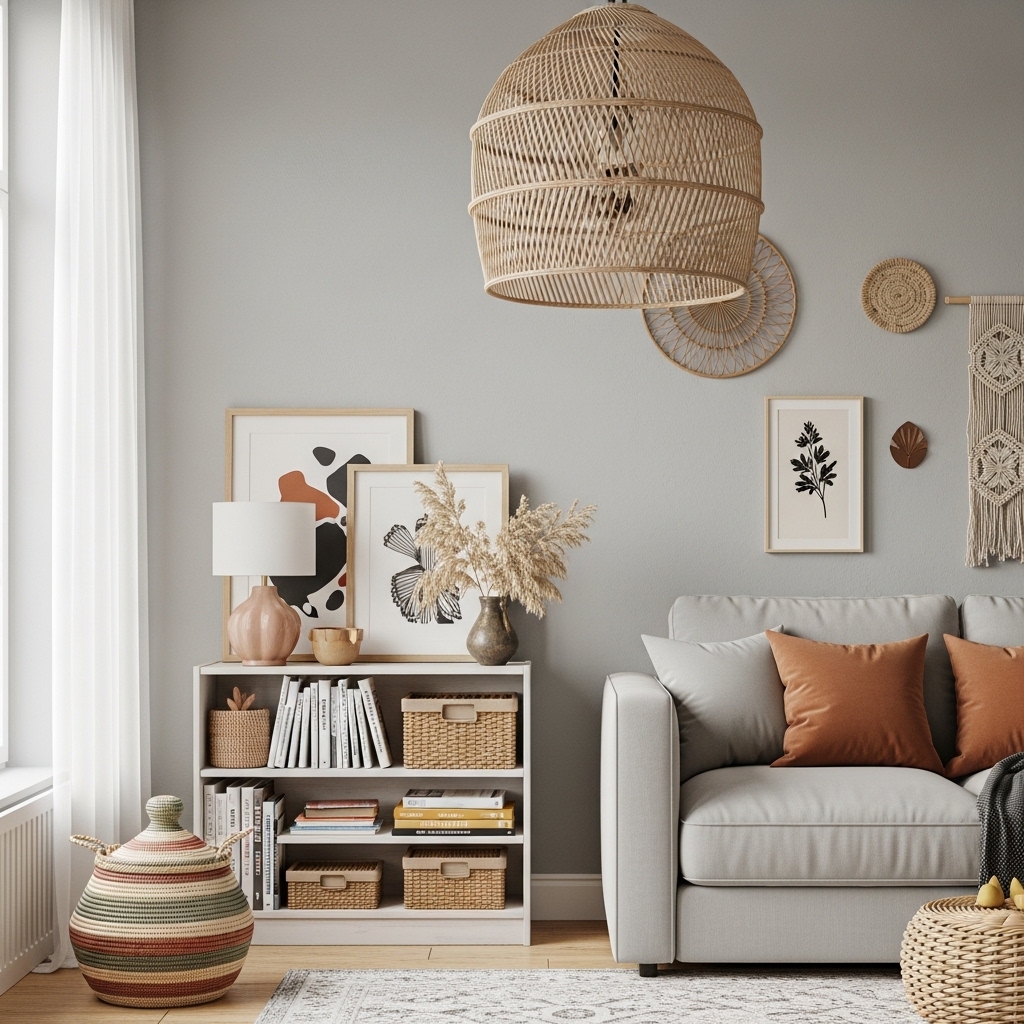
Color is no longer just an aesthetic choice; it’s a tool for emotional regulation . In 2026, we are seeing a powerful move away from stark whites and cool grays toward hues that ground us.
- Nature-Inspired Tones: Think dusty blues, sage greens, warm terracotta, and chocolate browns. These colors bring a sense of calm and connection to the outdoors .
- Bold Statements: However, for those who crave energy, “FunHaus” is trending. Inspired by circus aesthetics, this playful trend embraces bold stripes, sculptural silhouettes, and a wink of whimsy—perfect for a child’s room or a statement nook .
- Global Fusion: “Afrohemian” decor is also on the rise, blending African textiles and Ethiopian art with classic bohemian elements like rattan and handwoven baskets, adding rich color and cultural depth to spaces .
Tech That Heals and Handmade That Grounds
We are living in a paradoxical moment. As Artificial Intelligence (AI) becomes more integrated into our lives—helping us design rooms or pre-select appliances—we are simultaneously craving the opposite: tangible, human-made objects .
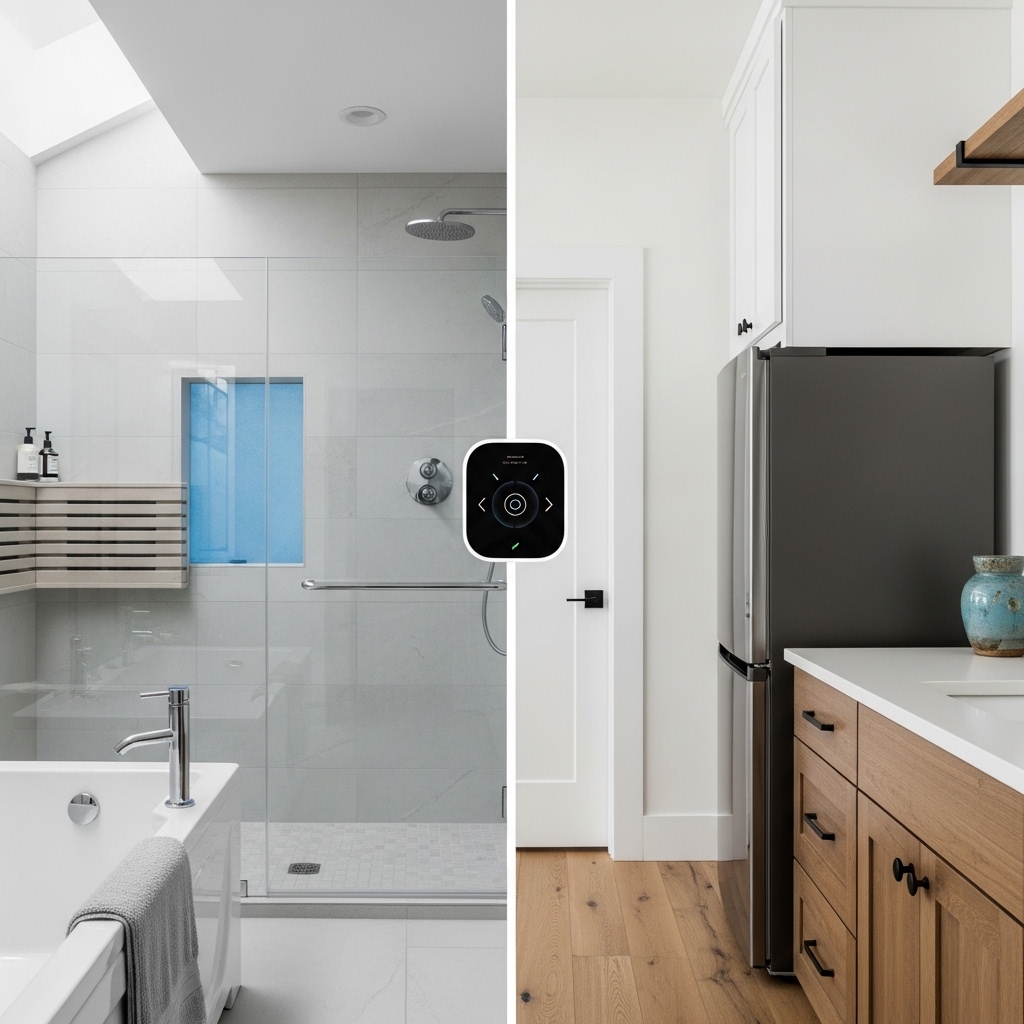
On one hand, the home is becoming a high-tech wellness sanctuary. The bathroom is no longer just functional; it’s a spa. Homeowners are investing in steam rooms, cold plunges, red-light therapy panels, and circadian lighting systems that support sleep and recovery . Smart home technology is focusing less on novelty and more on optimizing energy efficiency, air quality, and security .
On the other hand, “craftsmanship counts.” As a counterbalance to our digital lives, people are seeking out items with a story. “Fast furniture” is out. Instead, clients are investing in locally-made, artisanal pieces, antique brass that will patina over time, and custom millwork that adds character and longevity . It’s about choosing a handmade ceramic mug over a mass-produced one—finding soul in the stuff we own.
Sustainability as a Given
Sustainability is no longer a niche concern or a marketing buzzword; it is becoming a baseline requirement for design. Clients are now asking early about energy efficiency, EV charging capacity, and solar readiness .
In interiors, this translates to selecting materials that are both beautiful and responsible. We are seeing a rise in recycled materials, bio-based composites, and low-impact finishes. There is also a strong push for “circular design”—repainting old furniture, reupholstering heirlooms, and reinterpreting existing structures rather than demolishing and rebuilding .
The Bottom Line
In 2026, the home is no longer just a status symbol or a financial investment. It is infrastructure for modern life . It is a place that must protect us from instability, support our health, adapt to our fluctuating work lives, and express our unique personality—imperfections and all. Whether you are investing in a smart toilet or a vintage rattan chair, the guiding principle is the same: your home should work for you, not the other way around.
