
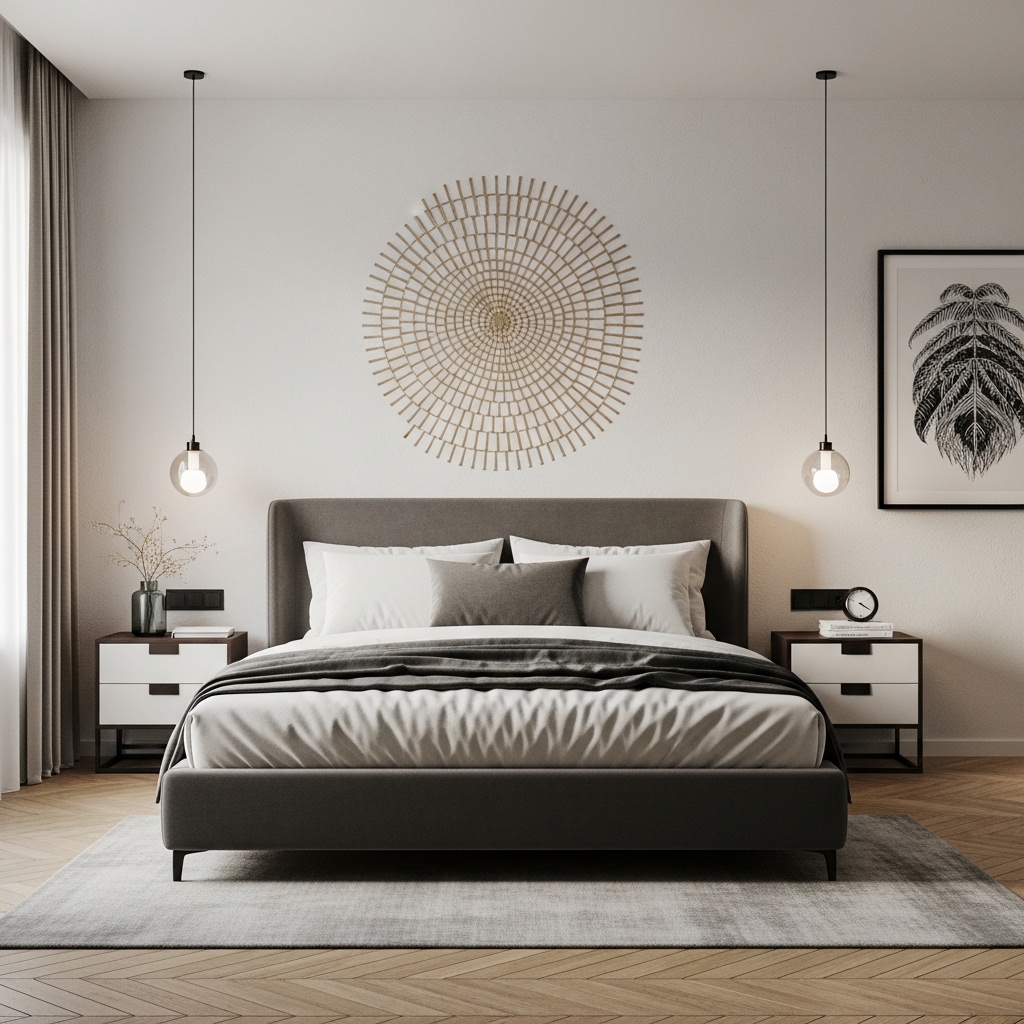
Gone are the days when a bedroom was simply a room with a bed. In 2026, the bedroom has evolved into a dynamic sanctuary—a hybrid space for deep sleep, digital detox, and personal expression. As we navigate a world increasingly defined by AI, sustainability, and a longing for tactile comfort, the design trends of this year reflect a desire for the unique.
Whether you are designing for a tech-savvy Gen Z renter, a millennial seeking zen, or a luxury homeowner looking to invest in biophilic architecture, this guide breaks down the most distinctive bedroom trends of 2026 and how to make them work for your audience.
1. The “Digital Twilight” Aesthetic
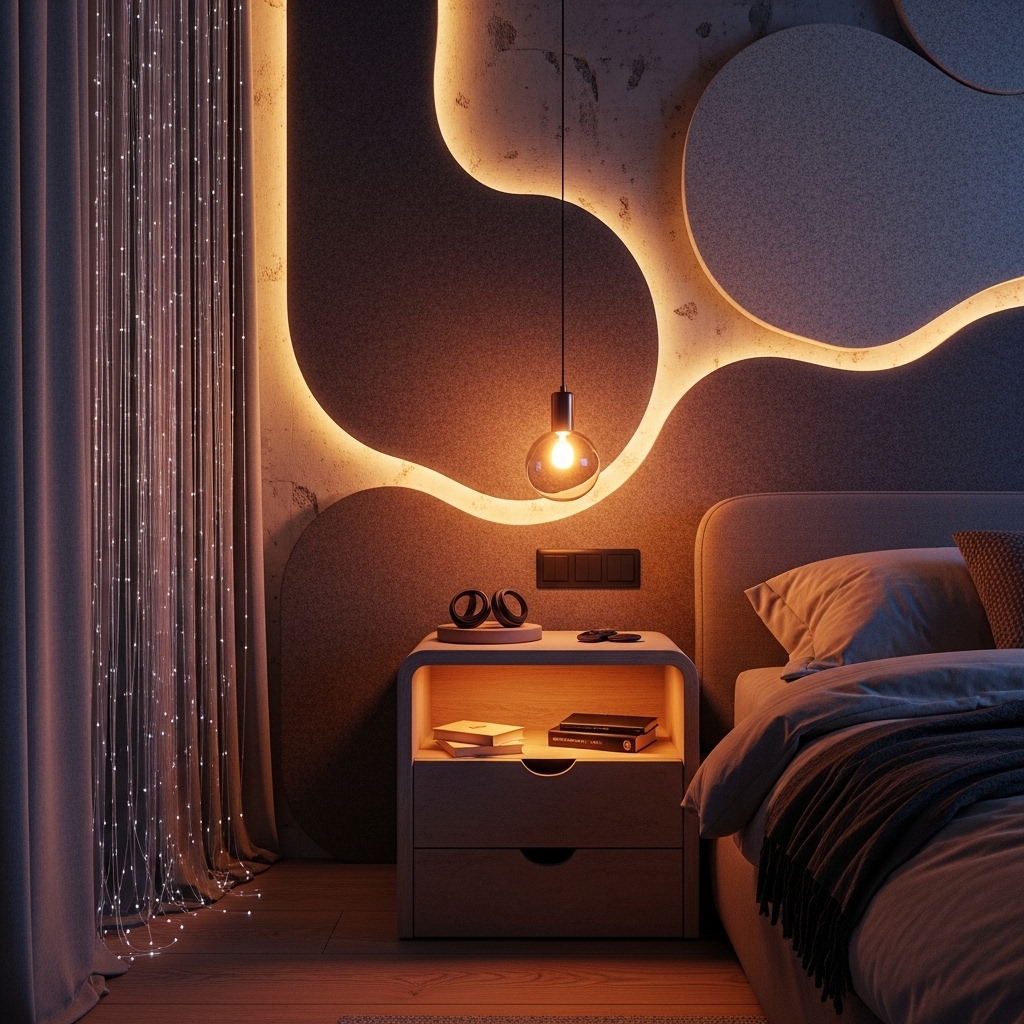
Target Audience: Gamers, Remote Workers, Tech Enthusiasts
In 2026, we are moving past the cold, sterile “smart home” look. The new trend is “Digital Twilight” —a seamless blend of immersive technology and cozy comfort.
- The Concept: Lighting is no longer just functional; it is the architecture. Think floor-to-ceiling draped curtains of fiber optics that mimic a starry night, or “invisible” LED strips embedded in lime-wash plaster walls that cast a warm, amber glow (emulating sunset to support circadian rhythms).
- Materials: Acoustic felt panels in organic shapes (clouds, waves) to dampen sound for streaming or gaming, paired with ultra-soft, high-loft bouclé fabrics.
- Key Feature: The “Stealth Dock.” A bedside table that wirelessly charges all devices but hides them inside a wooden or stone box, ensuring the space promotes sleep hygiene without sacrificing connectivity.
2. Hyper-Local Biophilia
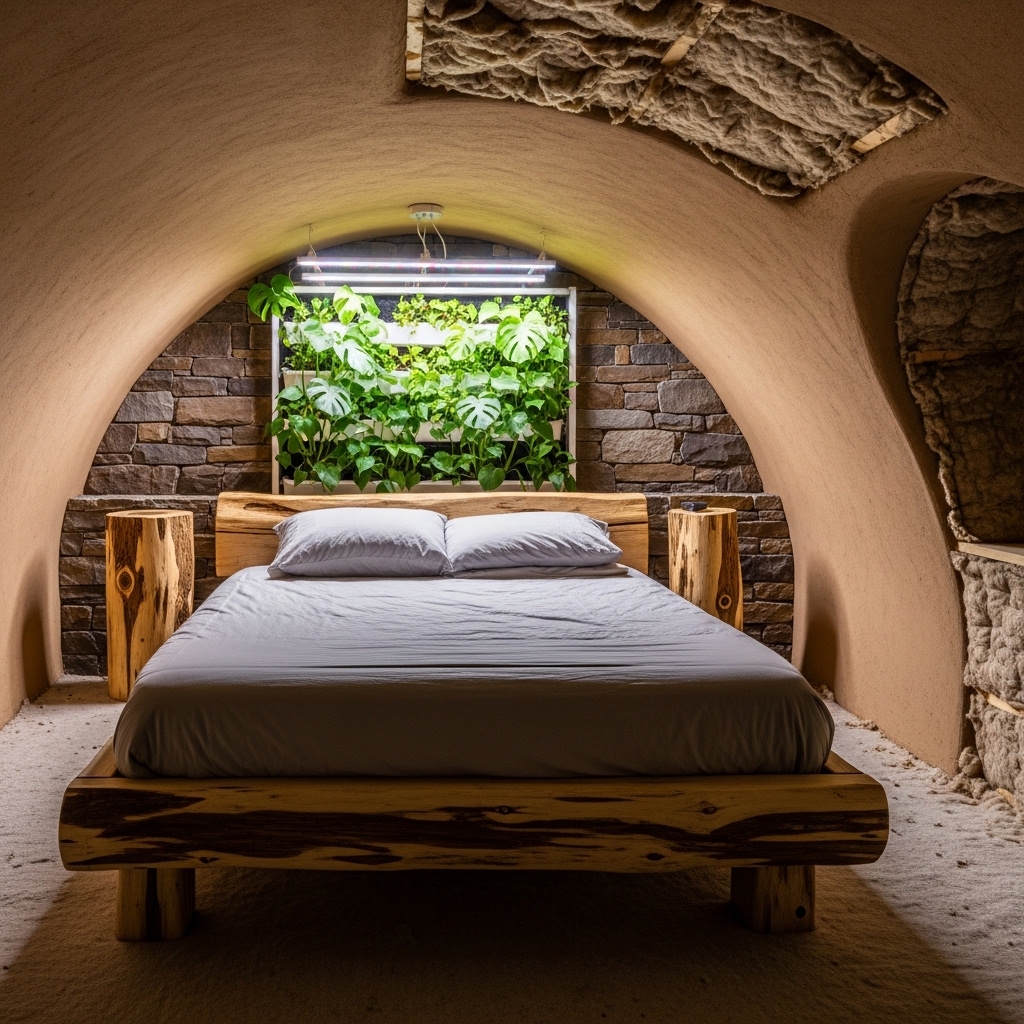
Target Audience: Eco-Conscious Homeowners, Urban Dwellers, Wellness Seekers
Sustainability in 2026 is no longer about mass-produced bamboo; it is about hyper-localism. Designers are rejecting global supply chains in favor of materials sourced within a 100-mile radius.
- The Concept: Bedrooms are becoming “living ecosystems.” This goes beyond a potted monstera plant. We are seeing living walls that double as headboards, integrated with hydroponic systems that purify the air silently.
- Materials: Look for regional stones (like local sandstone or slate) used as accent walls, bed frames carved from fallen urban timber, and organic wool insulation left exposed for texture.
- Unique Twist: “Clay Caves.” Using natural, unsealed clay plasters on curved walls to create a womb-like atmosphere that naturally regulates humidity and temperature without electricity.
3. The Anti-Furniture Movement
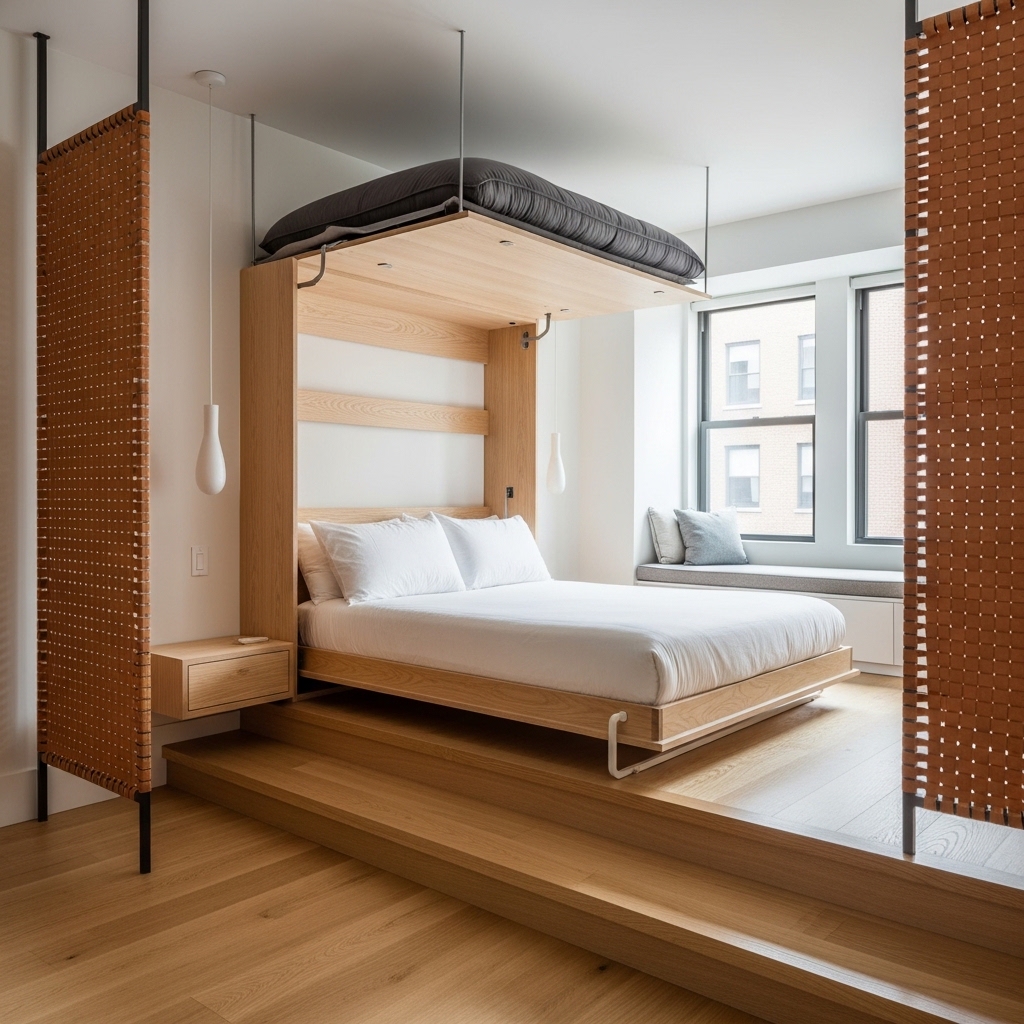
Target Audience: Minimalists, Small-Space Dwellers, Renters
As urban living spaces shrink, the concept of “furniture” is dissolving. The 2026 bedroom is about built-in versatility and architectural permanence.
- The Concept: Why buy a bed frame when the room is the bed? Platform bedrooms feature low, sprawling decks that integrate the bed, nightstands, and window seating into one continuous millwork structure.
- Materials: Light-stained oak or cork flooring that extends up the walls to create a “nest” effect.
- Unique Twist: Modular “Zones.” Instead of a closet, designers are using architectural screens made of woven leather or recycled paper to create dressing areas. Murphy beds are being reimagined as horizontal art pieces that lower from the ceiling via whisper-quiet motors, leaving the floor space open for morning yoga.
4. Nostalgic Maximalism
Target Audience: Creative Professionals, Gen Z, Vintage Collectors
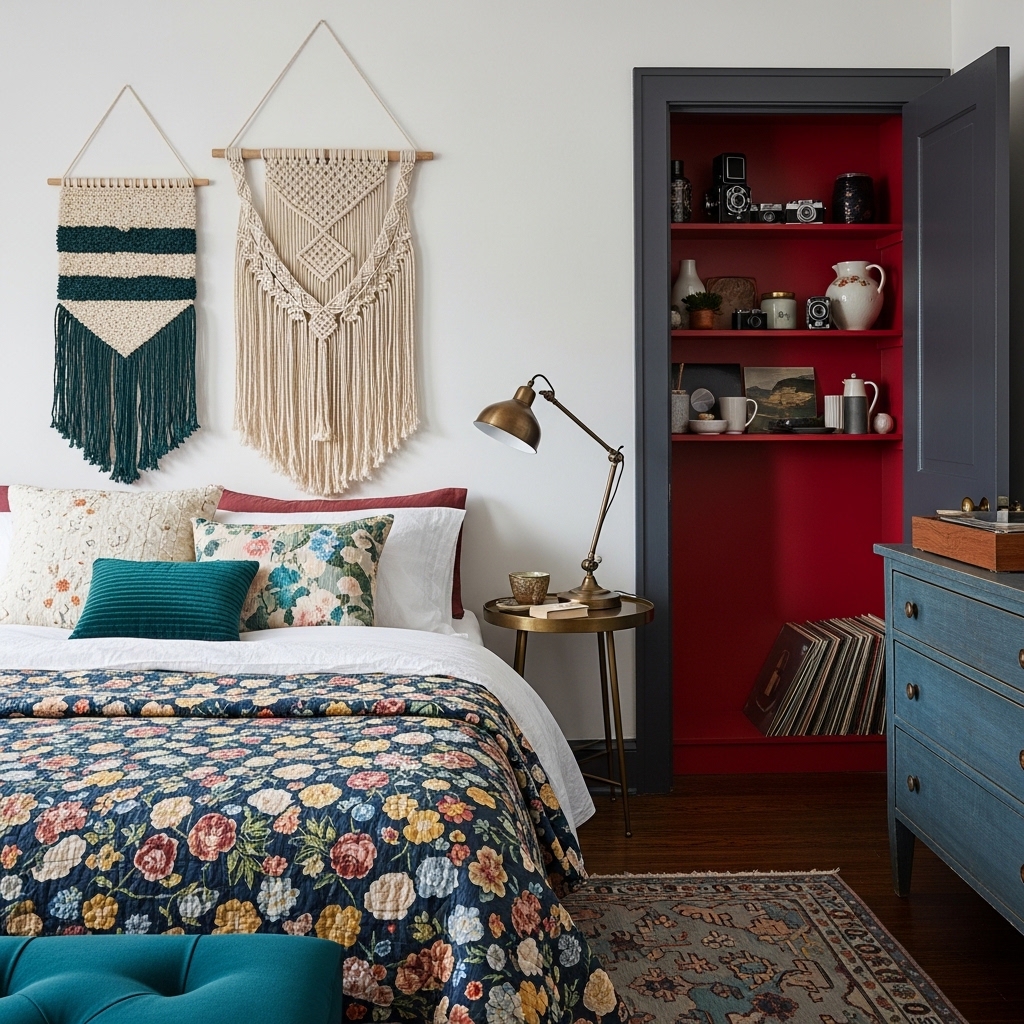
In direct opposition to sterile minimalism, 2026 is seeing a resurgence of soulful clutter—curated with intention. This isn’t your grandmother’s florals; it is a high-contrast, emotional collision of eras.
- The Concept: “Art Brut” bedding. Hand-stitched quilts, embroidered linens, and macrame wall hangings that look deliberately imperfect to counteract the perfection of AI-generated imagery.
- Materials: Velvet in jewel tones (emerald, sapphire, ruby) mixed with patinated brass and dark, moody wood stains.
- Unique Twist: The “Curio Nook.” A small, dedicated alcove or converted closet space painted in a high-gloss, unexpected color (like oxblood red) to display a curated collection—vintage cameras, ceramic art, or vinyl records—turning the bedroom into a private gallery.
5. Sensory Deprivation Sanctuaries
Target Audience: Neurodivergent Individuals, High-Stress Professionals, Luxury Market
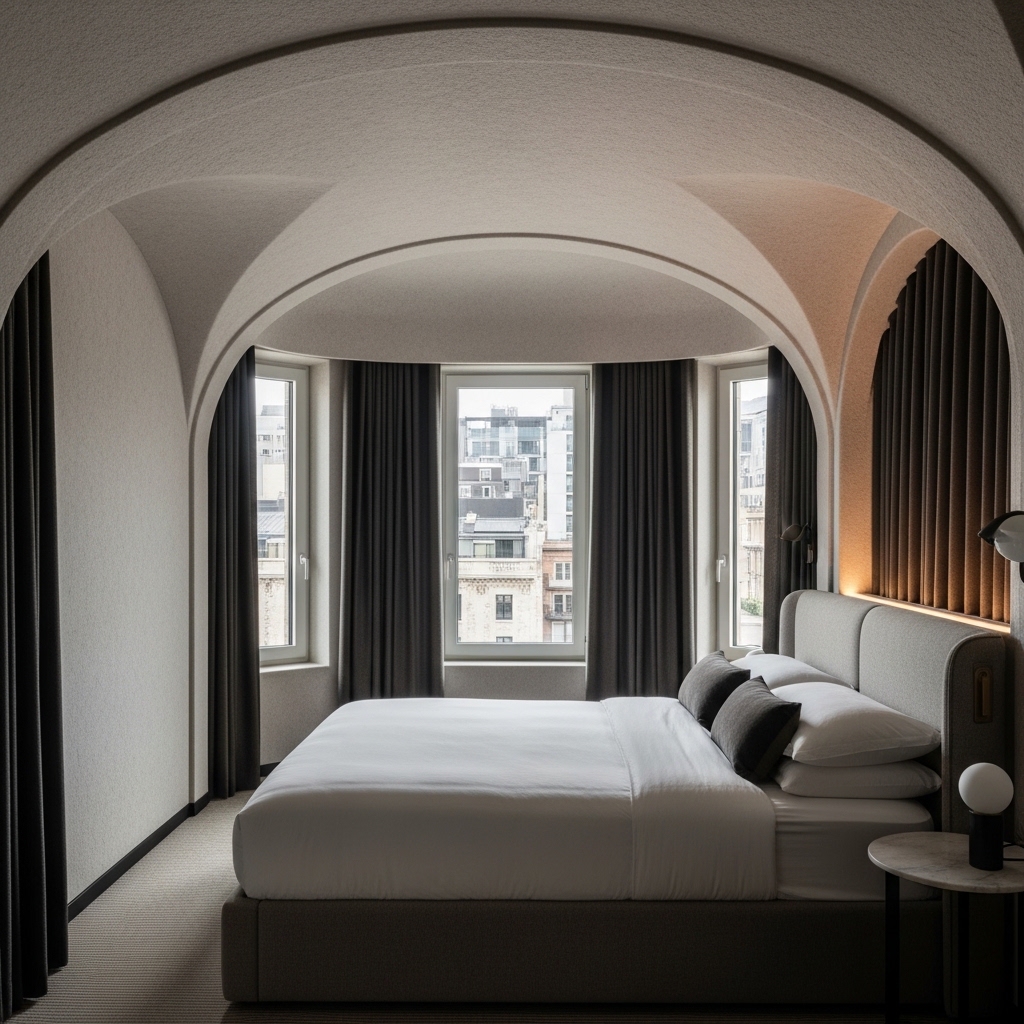
With sensory overload at an all-time high, the ultimate luxury in 2026 is the bedroom designed for sensory reduction.
- The Concept: Soft architecture. No sharp corners. Rooms are designed with rounded walls, arched doorways, and curved ceilings. Windows utilize electrochromic glass (smart glass) that frosts over with the click of a button to block out the city lights completely.
- Materials: Felt, velvet, and heavy blackout drapes that reach from ceiling to floor without gaps.
- Unique Twist: The “Sound Bath” integration. Subtle, integrated speakers within the headboard that are programmed not for music, but for specific healing frequencies (432Hz) or white noise tailored to the user’s sleep pattern, synced with sunrise alarm clocks.
