
Target Audience: Homeowners, renters, interior design enthusiasts, tech professionals, and millennials/Gen Z looking to invest in property or high-end renovations.
Tone: Aspirational, insightful, forward-thinking, and practical.
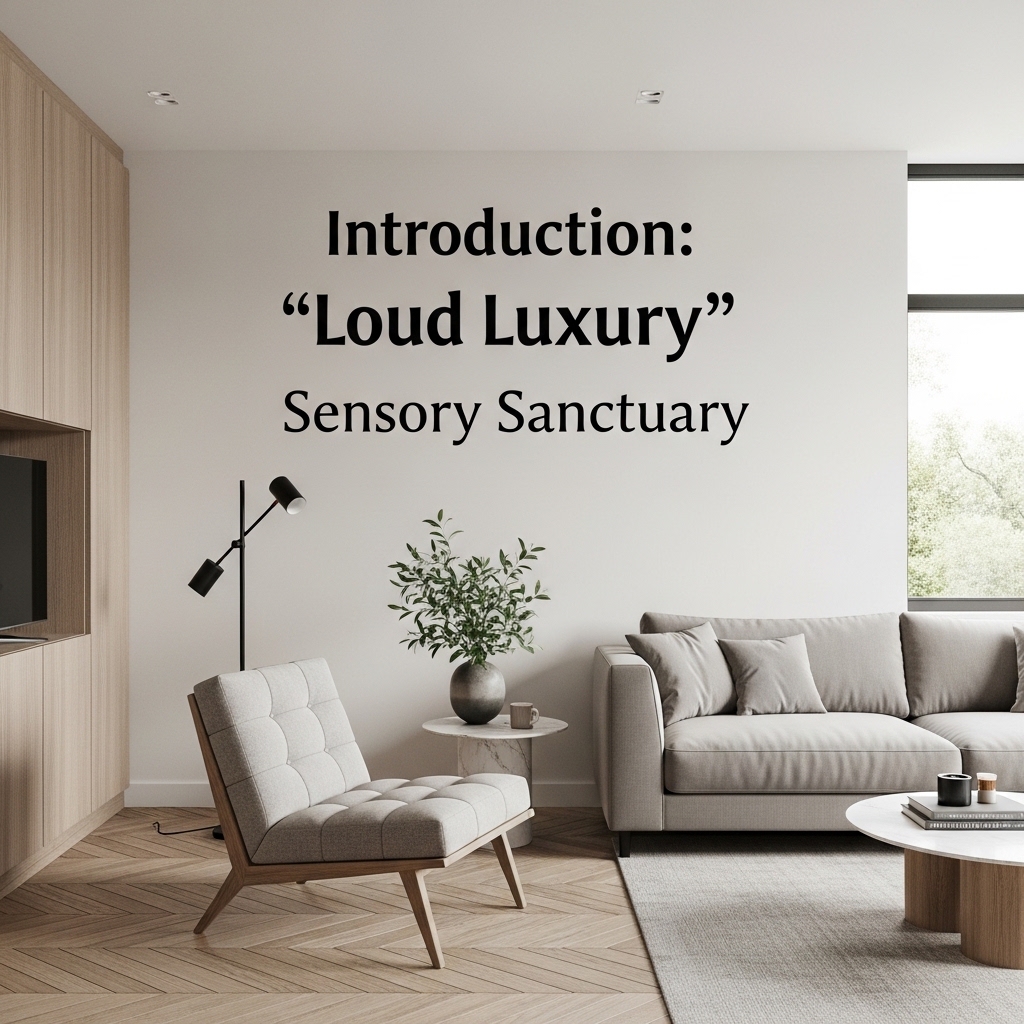
Introduction: The Shift from “Loud Luxury” to “Sensory Sanctuary”
As we move into 2026, the modern home aesthetic is undergoing a significant evolution. We are moving past the stark, all-white “Instagram minimalism” of the early 2020s. We are also moving beyond the “loud luxury” of marble slabs and ostentatious lighting.
The 2026 modern home is defined by Sensory Sanctuary. It is a reaction to a hyper-digital world. Homeowners are no longer asking, “How does this look?” but rather, “How does this feel?”
This year, the aesthetic is a sophisticated blend of biophilic design (connecting to nature), tactile textures, and invisible technology. It’s about creating a space that feels ancient in its warmth but operates with futuristic efficiency.
1. The Color Palette: Earth’s Core & Cosmic Dust
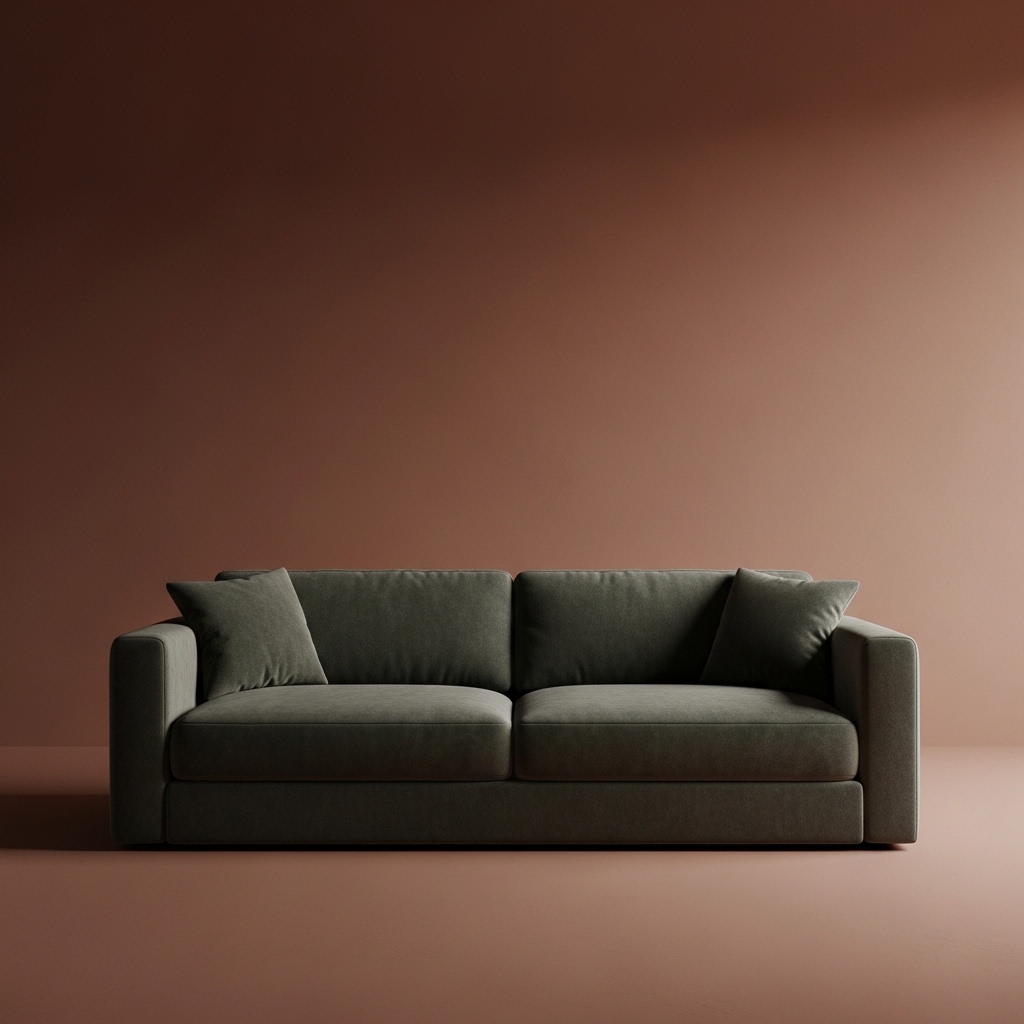
Forget greige. The 2026 palette is deeper, moodier, and inherently connected to the natural world.
- Primary Hues: We are seeing a dominance of Terracotta Blush, Deep Kelp Green, and Midnight Clay (a muted, warm charcoal).
- Accents: To offset the depth, accents come in Raw Umber (unlacquered brass, oxidized copper) and Lunar White (a matte, chalky white with a slightly rough texture).
- Why it appeals to the audience: This palette creates a sense of enclosure and safety. In an era of open-plan anxiety, these colors define zones and make large spaces feel cozy rather than cavernous.
2. Materials: The Return of the Handmade
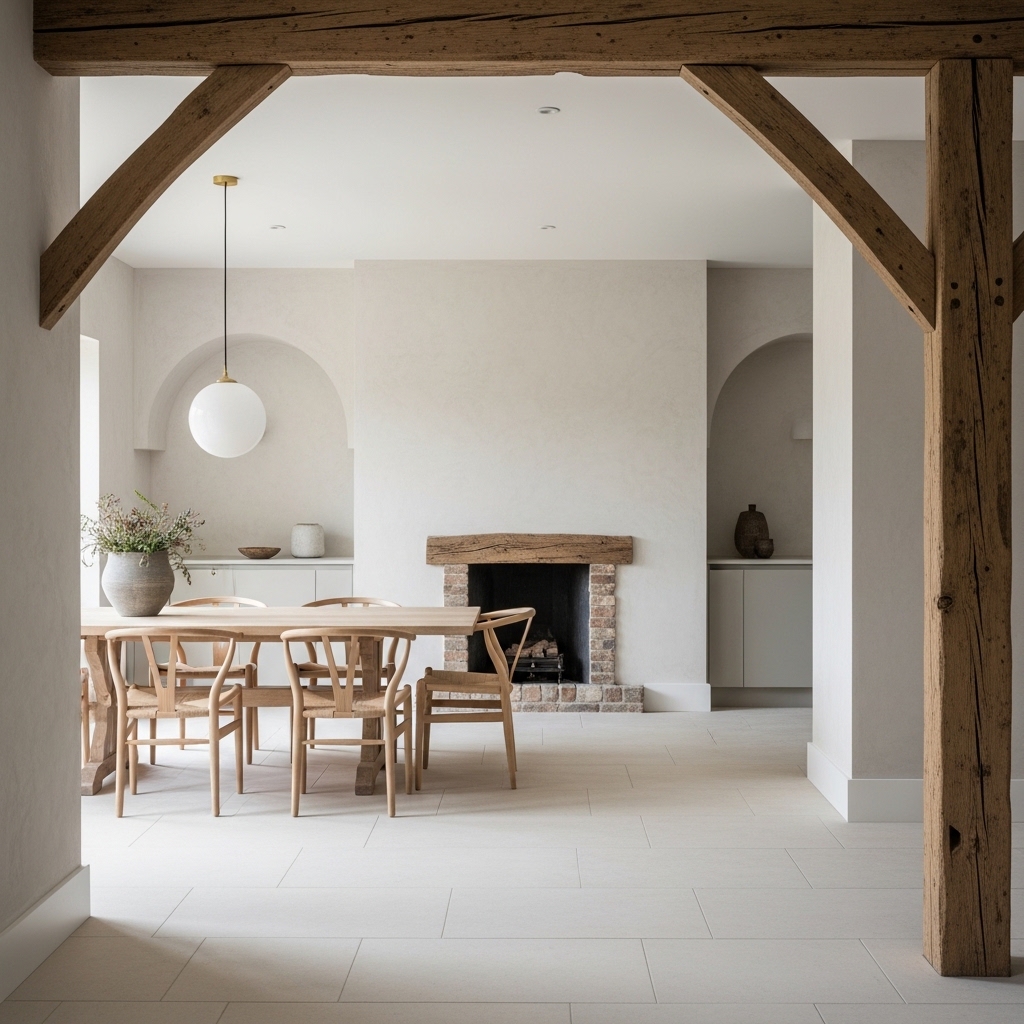
The 2026 home rejects perfection. The signature look is “Wabi-Sabi”—the Japanese art of finding beauty in imperfection.
- Plaster Everything: Venetian plaster and limewash paint are replacing flat drywall. The subtle variations in texture catch light differently throughout the day, making walls feel alive.
- The Stone Age: Polished marble is out. Leathered granite, travertine, and sandstone are in. These stones are left with a natural, honed finish that feels soft to the touch and doesn’t show fingerprints.
- Wood: We are moving toward steamed and bent wood for furniture frames and reclaimed old-growth timber for beams. The look is organic, never linear.
3. “Invisible Tech”: The Ultimate Luxury
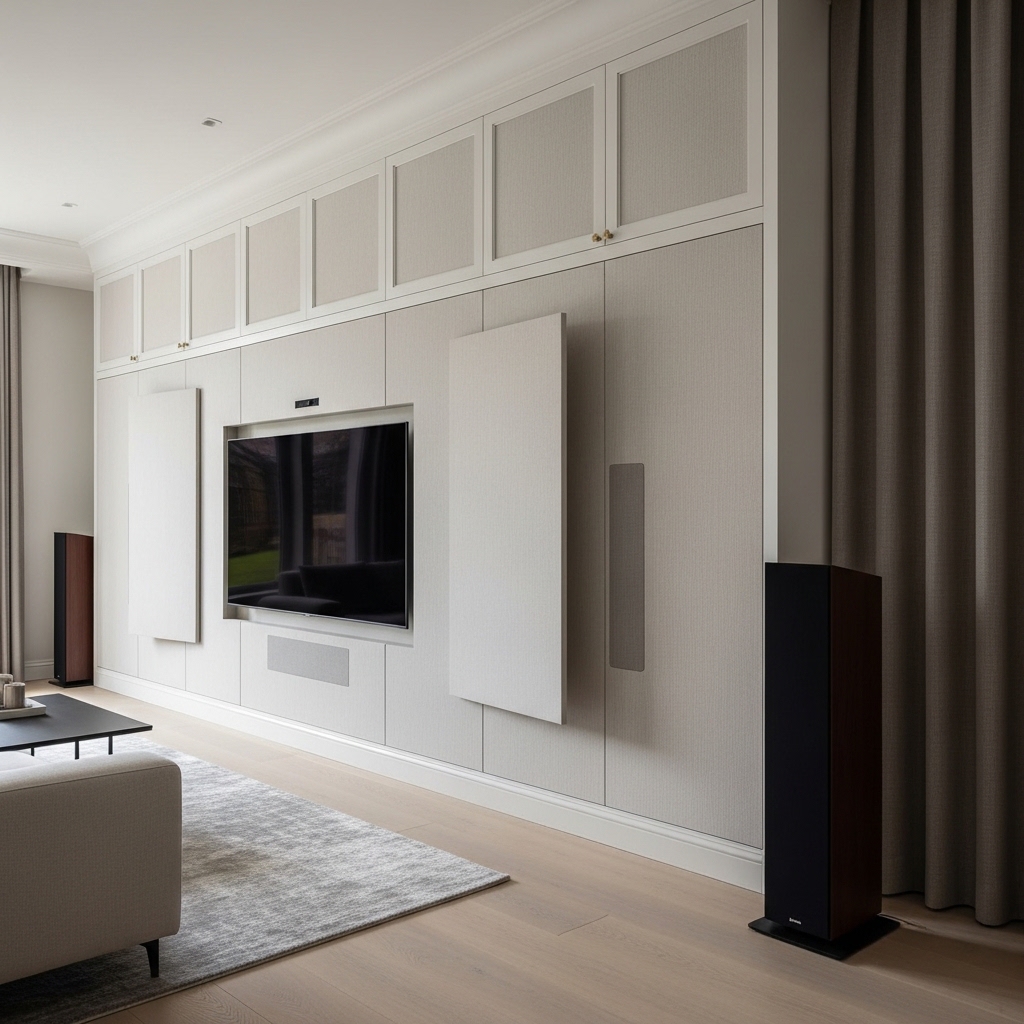
The biggest trend for 2026 isn’t a piece of furniture; it’s the absence of visible clutter. This audience, often working in tech, wants the benefit of innovation without the aesthetic of a “smart home.”
- The Concept: Outlets are hidden in baseboards or under cabinets. Televisions are concealed behind motorized art panels (LGs “Art Series” or custom framed mirrors). Speakers are built into the structural walls or hidden within fabric panels.
- Climate: Radiant heated floors and passive house principles are becoming aesthetic standards, not just energy-saving bonuses. The goal is a home that maintains perfect silence and temperature without visible vents or radiators.
. The “Broken Plan” Layout
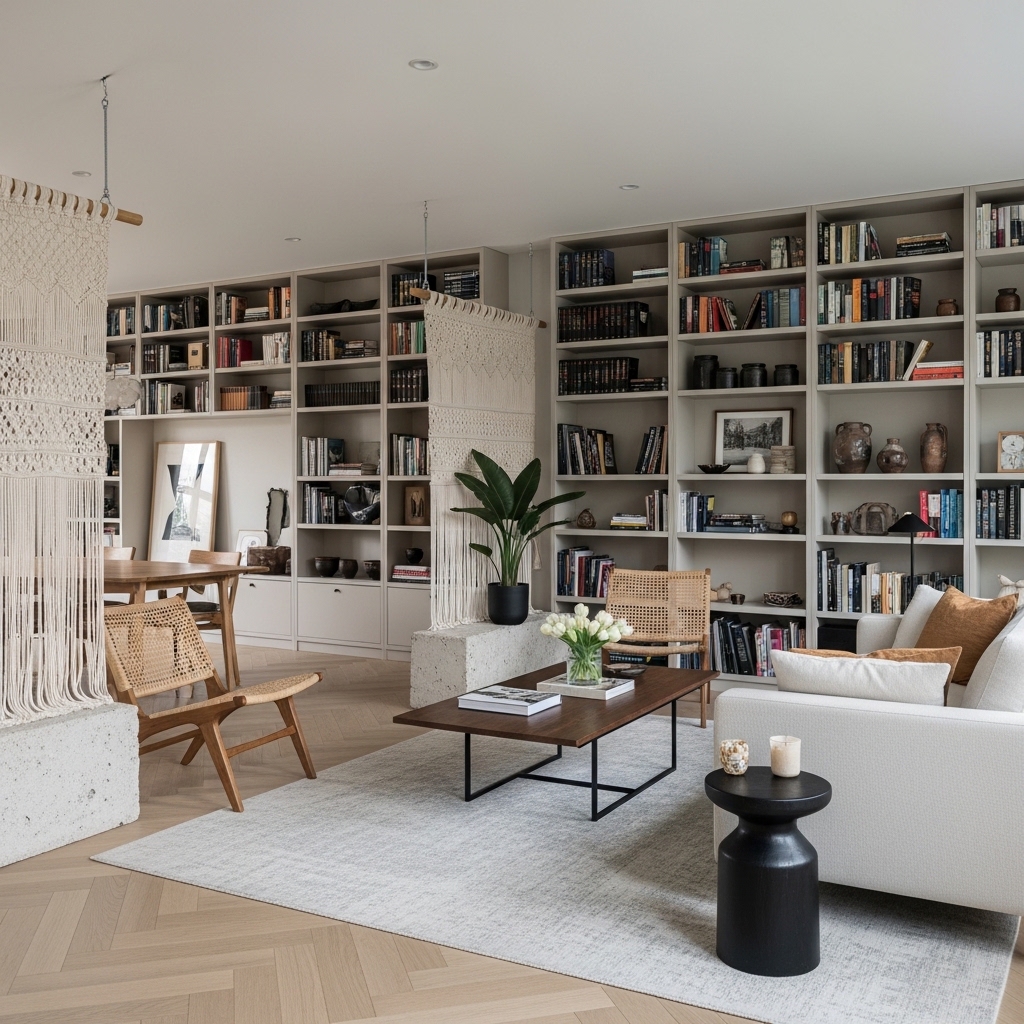
While the open floor plan isn’t dead, it is being “broken.” Homeowners in 2026 desire separation and acoustical privacy.
- The Solution: Instead of drywall, spaces are divided by sculptural room dividers, floating masonry walls, or textile partitions (heavy felt or macrame).
- The Library Aesthetic: The living room is transforming into a “modern library.” Built-in shelving (floor-to-ceiling) is non-negotiable. It provides storage for physical books (a rising trend among Gen Z), display space for pottery collections, and acoustic dampening.
5. Biophilic Maximalism
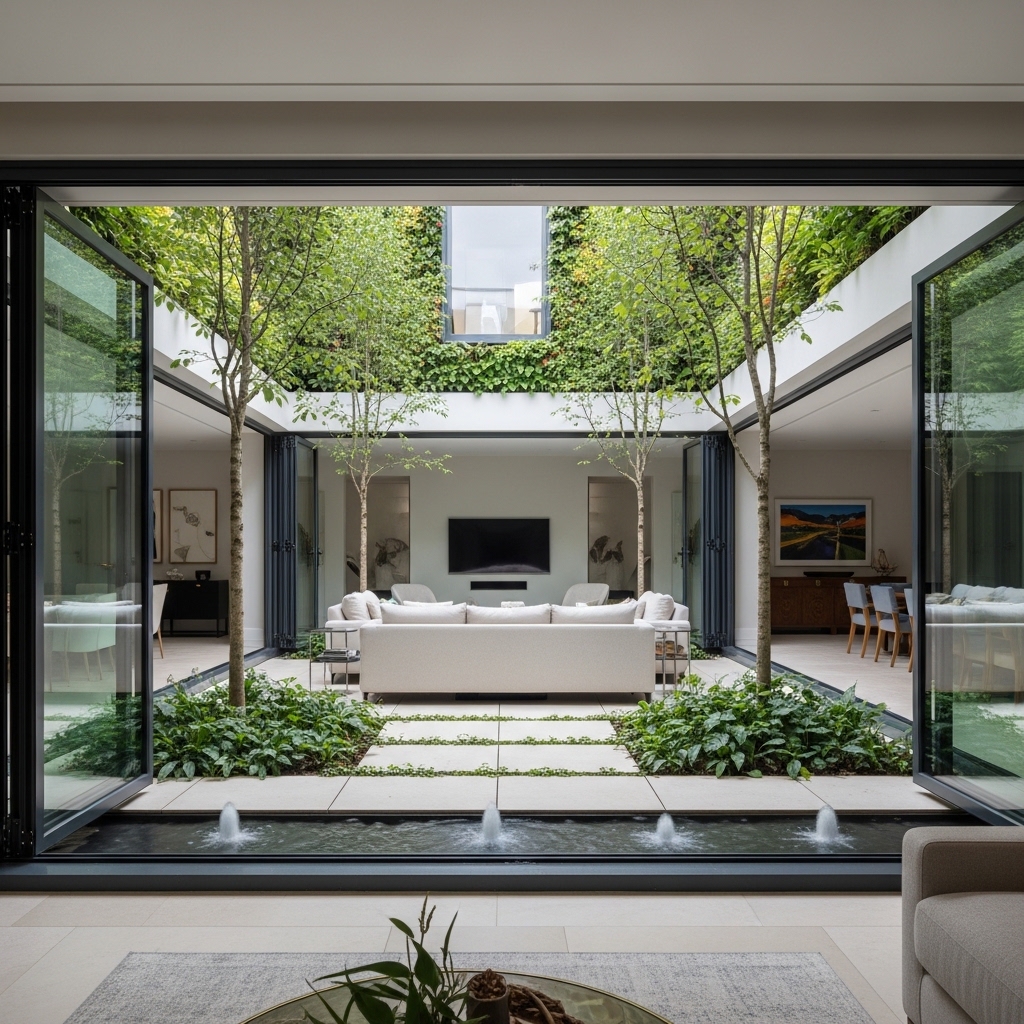
Plants are no longer just decor; they are architecture.
- Living Walls: Interior courtyards with mature trees (yes, inside the house) are a hallmark of 2026 luxury.
- Permeable Boundaries: The line between indoors and outdoors is blurred using NanaWall glass systems that fold away completely, allowing the living room to physically extend into the garden.
- Water: The return of the indoor water feature—but modernized. Think narrow, black steel channels of recirculating water running along the base of a wall to create white noise.
How to Achieve This Look: 3 Practical Tips
1. Light Like a Gallery
Stop relying on overhead lighting. In 2026, lighting is architectural. Use black steel channel lights (LED strips recessed into ceilings or walls) to create grazing effects that highlight texture. Use vintage Murano glass pendants as sculptural art, not just light sources.
2. Layer Your Textiles
The modern home should feel plush. Layer a wool boucle sofa with a velvet pillow and a faux-fur throw (vegan options are best). Add a jute rug underneath a vintage oriental rug for depth. The goal is to create a space that invites you to touch everything.
3. Curate, Don’t Decorate
Avoid “live, laugh, love” signage. In 2026, the aesthetic is curatorial.
- Find one large-scale art piece by a local ceramicist or painter.
- Display functional objects (beautiful mixing bowls, hand-forged tools) on open shelving.
- Embrace asymmetry. A single, massive arched mirror leaning against a wall is more impactful than two perfectly centered pieces.
