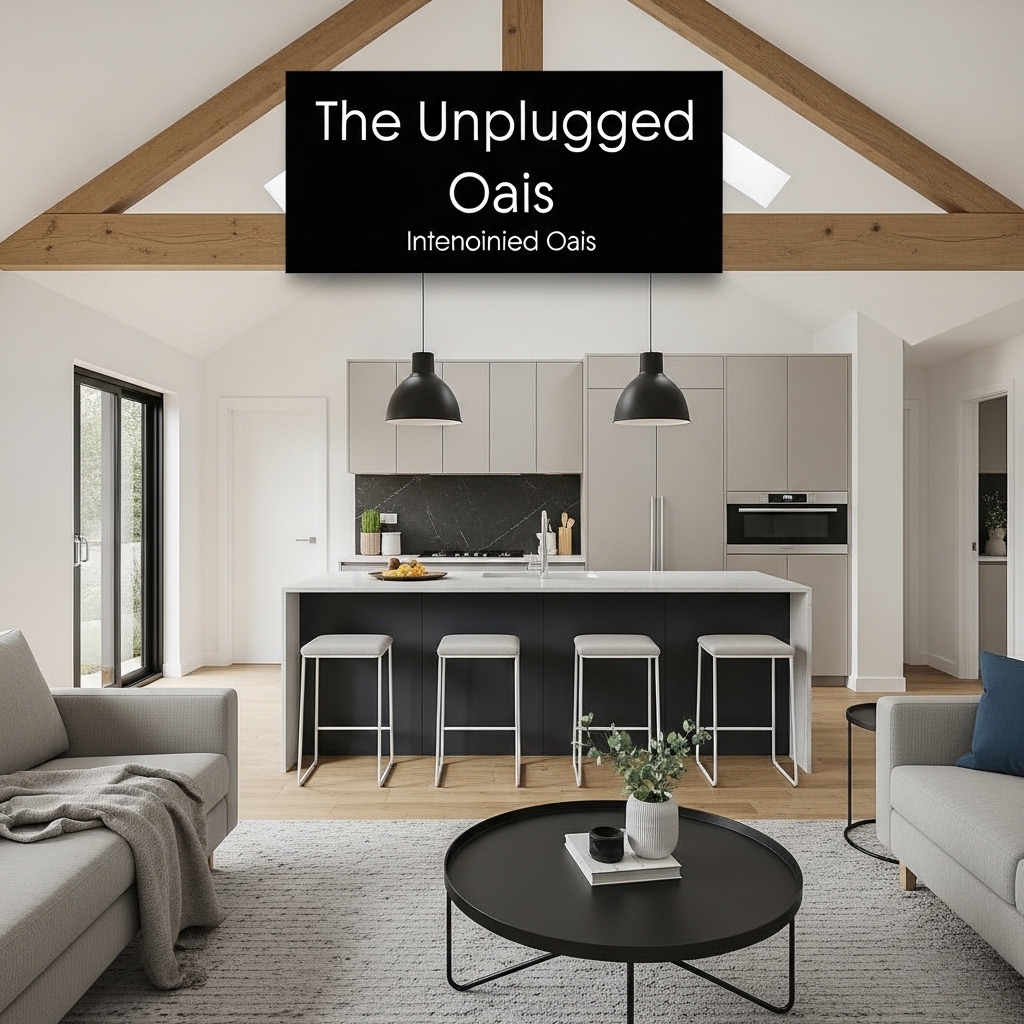
We are three years into the “post-AI boom” era. As we navigate 2026, the phrase “modern living” has undergone a radical transformation. It is no longer just about open floor plans, stainless steel appliances, or the latest smart home gadget.
In 2026, modern living is defined by intentionality.
After a decade of being told to integrate technology into every crevice of our lives—from AI sous-chefs to emotion-sensing bedroom mirrors—the modern homeowner is now asking a different question: “How do I live with technology, without being governed by it?”
This shift is reshaping architecture, interior design, and community planning. Here is how the trends of 2026 cater to the evolving psyche of the modern audience.
1. The Audience: The “Analog Advocates”
The primary driver of trends in 2026 is the rise of Generation Alpha and the maturation of Gen Z as primary homeowners and renters. While these demographics are digital natives, they are suffering from “screen fatigue” at unprecedented levels.
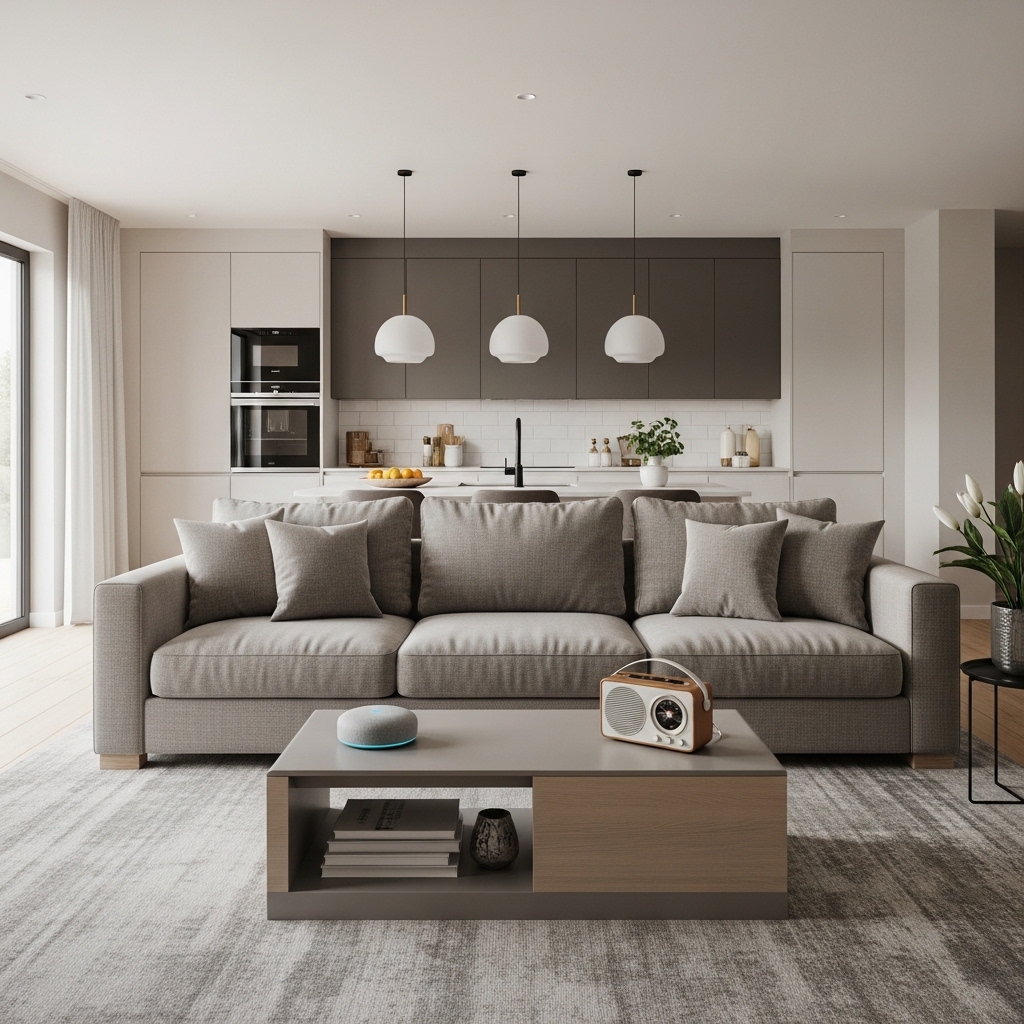
For this audience, luxury is no longer a high-end smart fridge; luxury is silence.
- The Trend: We are seeing a surge in “dumb zones” within smart homes. Living rooms are being designed without visible screens. Kitchens are swapping Alexa for analog radios.
- Why it matters: This demographic values mental health and deep focus. They are looking for homes that act as a sanctuary from the algorithmic chaos of the outside world.
2. Biophilic Realism (Beyond Just Plants)
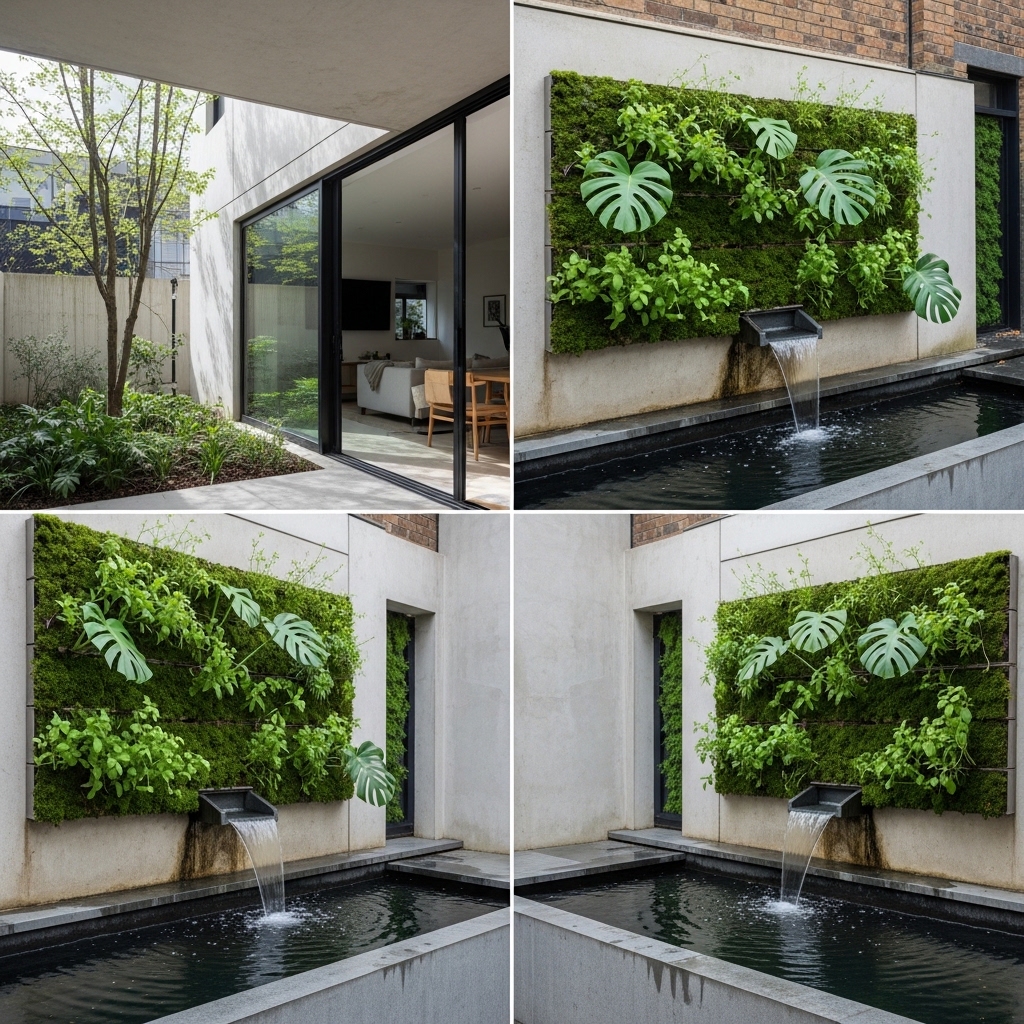
Biophilic design (connecting humans to nature) has been a buzzword for years, but in 2026, it has moved past the aesthetic of simply owning a Monstera plant.
Modern audiences are now demanding ecological integration.
- The Trend: Homes are being built around existing trees rather than removing them. “Living walls” are no longer just moss art; they are functional herb gardens integrated into kitchen backsplashes. Water features are moving indoors—not as opulent fountains, but as micro-ponds that regulate humidity and acoustics.
- The Aesthetic: It’s gritty, authentic, and imperfect. Think raw clay finishes, reclaimed timber with visible knots, and stone that hasn’t been polished to a high gloss.
3. The “Invisible” Technology
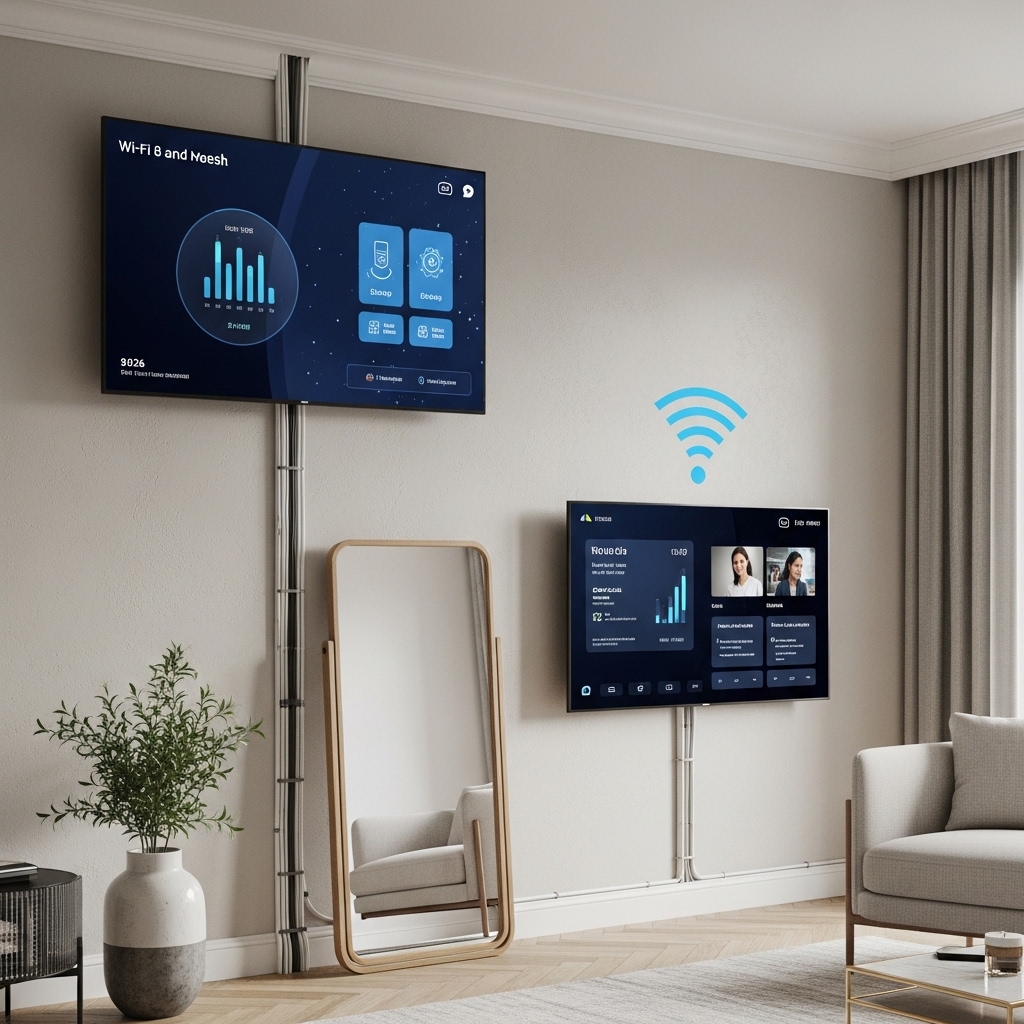
If the 2010s were about showing off your gadgets, 2026 is about hiding them. The modern consumer wants the benefit of automation without the aesthetic of a tech lab.
- The Trend: Wi-Fi 8 and mesh systems are now embedded into the structural insulation of homes, eliminating the need for unsightly routers. Wiring is completely concealed behind “smart drywall.” When screens are necessary, they are disguised—mirrors that display health data only when you wave your hand, or picture frames that turn into virtual meeting screens at the strike of 9:00 AM.
- The Audience: This appeals to the “Luxury Minimalist”—someone who wants high functionality but craves visual calm.
4. The Third Space Revival
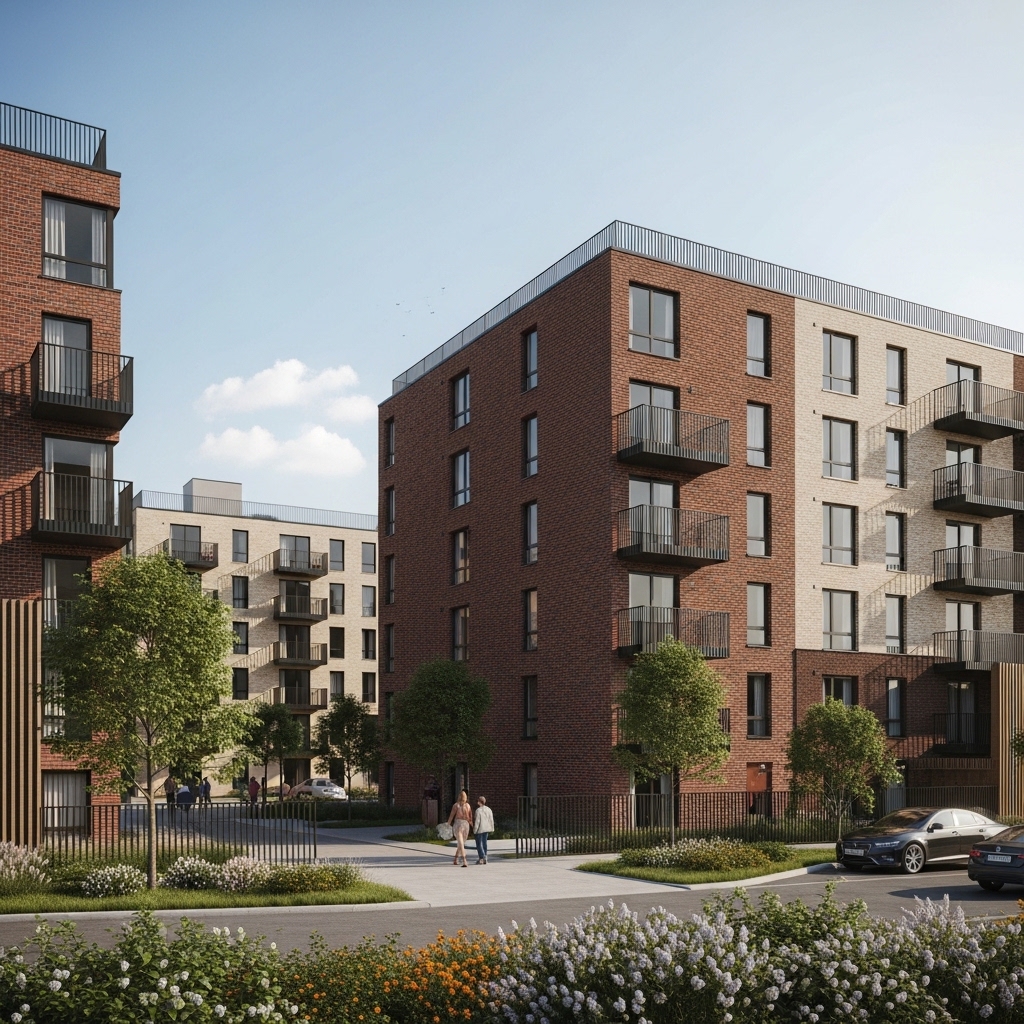
As remote work solidifies as a permanent fixture (with only 30% of the workforce returning to physical offices full-time by 2026), the modern audience is suffering from “home-as-office” burnout. The solution is the revival of the Third Space.
- The Trend: New housing developments are shrinking the private living room slightly to expand communal “third spaces.” Think subscription-based workshops, soundproofed podcast booths available for hourly rental in the apartment lobby, and co-working gardens that are professionally managed.
- Why it matters: The audience in 2026 craves community but on their own terms. They don’t want to host a dinner party in their 800 sq ft apartment; they want a stunning communal kitchen on the roof where they can socialize without the cleanup.
5. Color Psychology: Digital Detox Hues
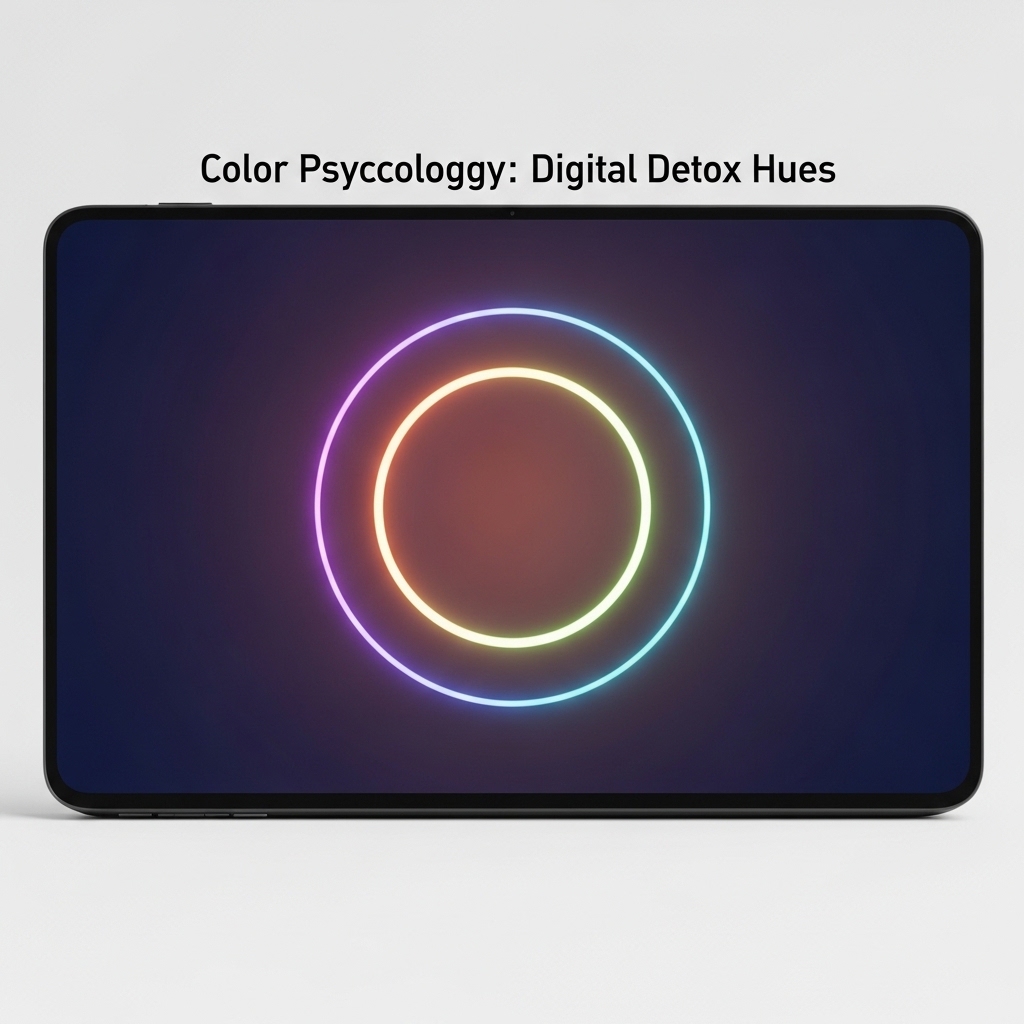
The color palette of 2026 is a direct reaction to the neon and RGB lighting of the tech world.
- The Trend: We are moving away from “Millennial Gray” and into “Chromatherapy Neutrals.”
- The Palette: Deep, grounding indigos, mushroom browns, tactile terracottas, and “digital lavender”—a hue specifically studied to reduce anxiety and promote sleep, now used in bedroom sanctuaries to counteract blue light exposure.
6. Circular Living
Finally, the 2026 audience is the most sustainability-conscious in history, but they have moved past “recycling guilt.” They now demand circularity.
- The Trend: Homes are being designed with “material passports.” When a home is built, every material—from the copper wiring to the oak flooring—is cataloged so that when the home is renovated in 20 years, nothing goes to a landfill; it gets re-homed. Furniture is shifting from “fast furniture” (IKEA) to “heirloom investments” (3D-printed natural stone or modular sofas designed to last 50 years).
